
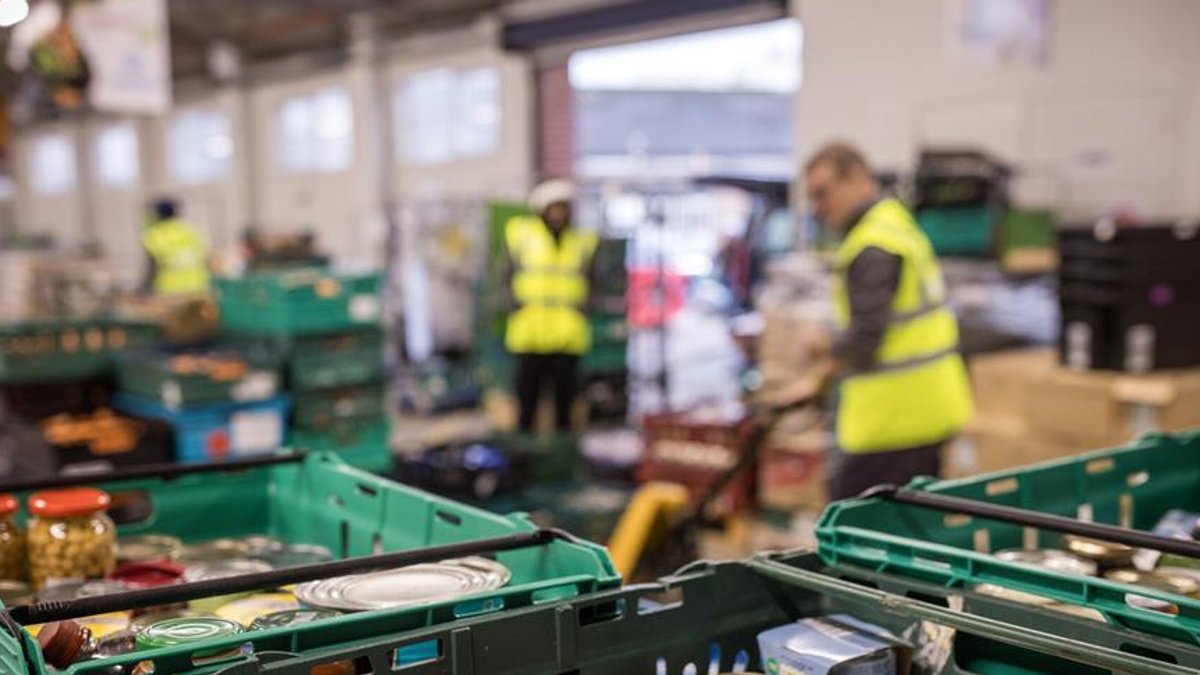
The UK’s largest food redistribution charities have signed a formal agreement to pool resources, share data, and build a unified supply chain. The partnership aims to triple the amount of surplus food reaching people in need.
Charities unite to tackle food waste and poverty
Seven major organizations—Felix, The Bread and Butter Thing, City Harvest, Community Shop, Feeding Britain, His Church, and Xcess Network—alongside the Trussell Trust’s food bank network, have committed to a joint strategy under a new covenant. The goal is to create a more efficient system capable of handling unpredictable surplus food supplies.
The agreement will see these groups coordinate regional infrastructure, standardize technology, and share volunteers to eliminate duplication. Investments in processing facilities for cooking, canning, freezing, and baking will extend the shelf life of surplus food, making it more practical for community use.
The initiative follows a February summit at 10 Downing Street, where industry leaders, NGOs, and government officials discussed improvements in food redistribution. It also builds on last year’s merger between Felix and FareShare, which now supports over 8,000 community organizations nationwide.
The covenant establishes a shared approach to governance, food sourcing, logistics, and allocation. A key provision is a unified policy voice, with the charities agreeing to lobby government and industry as a single coalition rather than competing interests.
Felix CEO Charlotte Hill said surplus food saves charities money while bringing people together. “Shared meals can reduce loneliness, ease financial pressure, and help children focus in school,” she explained.
Related: Unilever posts strongest sales growth in a decade
Community Shop executive chairman Gary Stott described the agreement as a new collaboration. “This shows our collective commitment to finding sustainable ways to increase surplus food redistribution,” he stated.
The Bread and Butter Thing CEO Vic Harper acknowledged progress but stressed more could be done. “The goal is to create both social and environmental benefits,” he added.
The effort aligns with former prime minister Keir Starmer’s May announcement to triple surplus food redistribution under a new national program.
Earlier attempts to streamline efforts faced challenges. In 2024, one outlet reported that FareShare had urged greater cooperation after warning that competition among charities was hindering progress. The US has long prioritized food redistribution, and UK charities appear to be adopting a similar approach.
Shared supply chain aims to cut waste, improve access
The new network will focus on creating a more predictable system with standardized processes for suppliers. Currently, charities use different technologies, complicating donations from retailers and manufacturers. The covenant seeks to simplify this by offering donors a single experience.
Volunteers will ensure food reaches community organizations quickly through last-mile delivery. The charities also plan to expand processing capacity for longer-lasting formats like frozen meals or canned goods, which are easier to store and distribute.
Related: Underground scenes drive Australia’s fashion evolution
For years, UK food redistribution operated in silos, with charities competing for donations and funding. This agreement signals a shift toward coordination, though challenges remain. The sector still depends on unpredictable surplus from supermarkets and producers, which can vary due to supply chain disruptions or demand changes.
The new system should simplify access for smaller groups. If successful, the model could inspire other countries facing similar issues.
The partnership also highlights food redistribution’s role in environmental sustainability. Diverting surplus from landfills reduces greenhouse gas emissions while addressing hunger.
Hill expressed hope that the collaboration would create a future where good food fuels fuller lives instead of going to waste.
A recent surge in natural fibre activewear reflects broader sustainability trends in consumer goods.


