
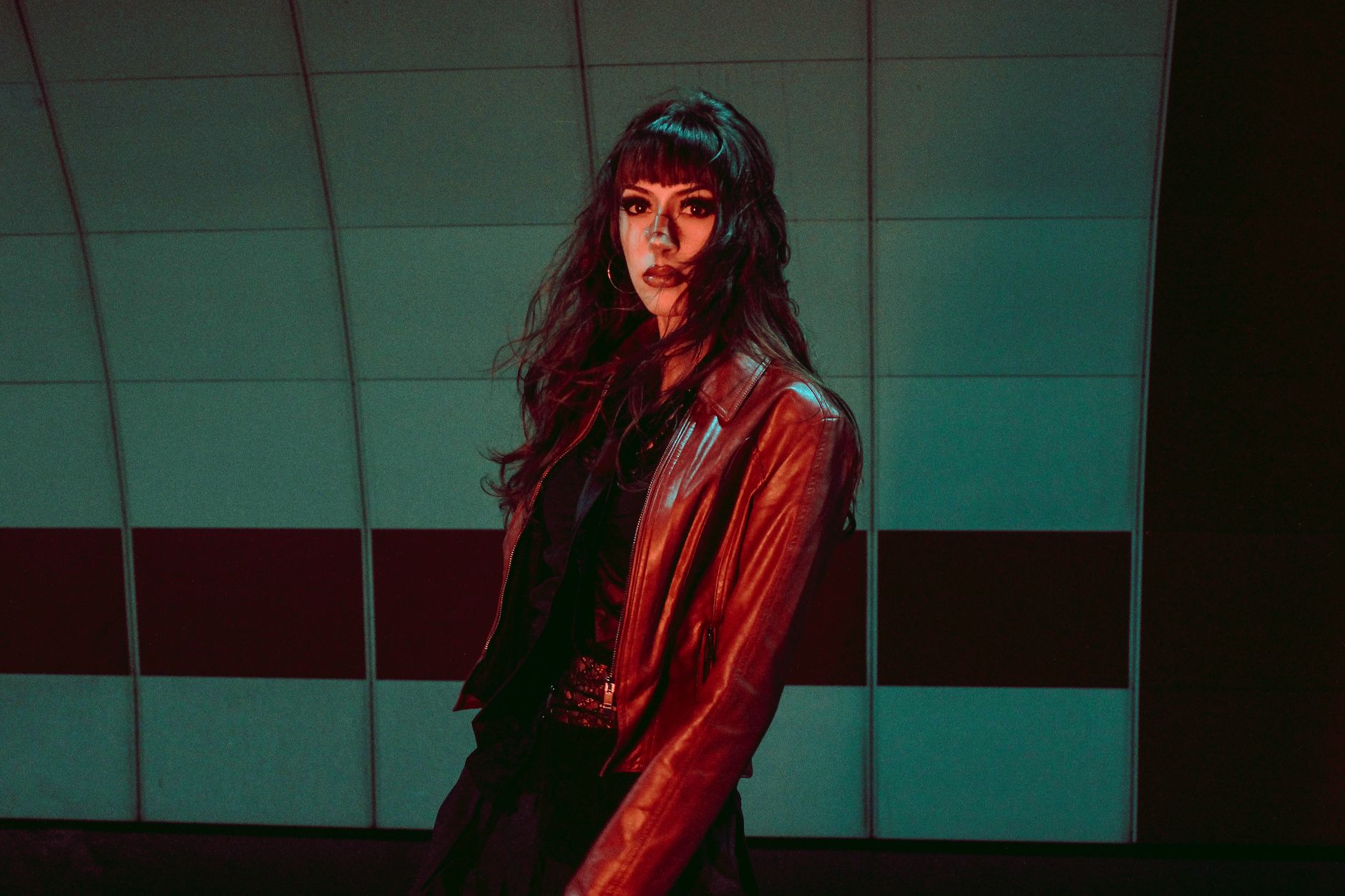
The art that challenges the status quo rarely starts in galleries or department stores. In Australia, it begins underground—where basements and sharehouse backrooms become incubators for fashion that refuses to play by the rules.
The birth of a movement
In 1983, three Melbourne creatives—Robert Pearce, Robert Buckingham, and Kate Durham—founded the Fashion Design Council of Australia. Their goal wasn’t to fit into the mainstream but to dismantle it.
At the time, Australian fashion was dominated by imports and department-store conservatism. Punk had arrived via magazines like i-D and The Face, and a handful of designers were ready to push back. The council’s manifesto rejected the European tradition and the stranglehold of fashion houses, instead championing work that blurred clothing and art.
Related: How to do your own lash lift at home
Jenny Bannister, an early member, had just graduated from RMIT’s fashion program—where instructors told her she’d never get a job at Sportscraft. She didn’t want one. Instead, she scavenged plastic, rubber, and leather offcuts to create pieces that were more provocation than product. “I had to scrounge, I had to pay my rent,” she said. The results were anarchic, barely wearable, and entirely unapologetic.
The council’s first events weren’t runway shows. They were parties. In 1982 and 1983, Party Architecture hosted two nights at St Kilda’s Crystal Ballroom, blending live music, comedy, film, and fashion into something closer to performance art. Designers like Martin Grant, now based in Paris, and Sarah Thorn showed their work alongside hair demonstrations and experimental films. The club wasn’t just a venue—it was a stage, a laboratory, and a community.
Between 1983 and 1993, the FDC secured hundreds of thousands in funding to transform industrial construction sites and condemned warehouses into temporary fashion spaces. Thousands attended parades where wearable and unwearable designs shared the spotlight. The nightclub boom of the era amplified the scene, turning dance floors into runways where people dressed to be seen.
Related: Mary Argyropoulos Makes a Name in Fashion
A legacy that won’t quit
More than three decades after the FDC disbanded, Australia’s most daring fashion still emerges from the underground. The challenges have changed. Arts funding has dwindled, venue costs have skyrocketed, and the gap between emerging and established designers has widened.
A 2021 initiative by photography student Kat Stevens shows how the spirit persists. The Emerging Artists Collective in Melbourne holds exhibitions and runways for unestablished designers, funded entirely by ticket sales. “There just isn’t enough support for emerging creatives,” Kat said. “Artists now rely on collaboration instead of institutions.”
The collective’s model is risky. Designers often spend thousands to produce their own shows, and hiring a venue has nearly tripled in cost since the group began. But Kat sees no alternative. “It’s really important to know that you can be something outside of fashion institutions,” she said. “What are they meant to do if they don’t come from money?”
Related: Eighty-dollar home keratin treatment rivals salon
Today, the underground isn’t just a refuge for outsiders. It’s a necessity. With institutions slow to take risks, collectives like EAC keep the FDC’s legacy alive—showing that fashion doesn’t need permission to thrive.
The work continues regardless of whether the industry catches up. History suggests it will keep happening underground, where creativity still finds a way.


