
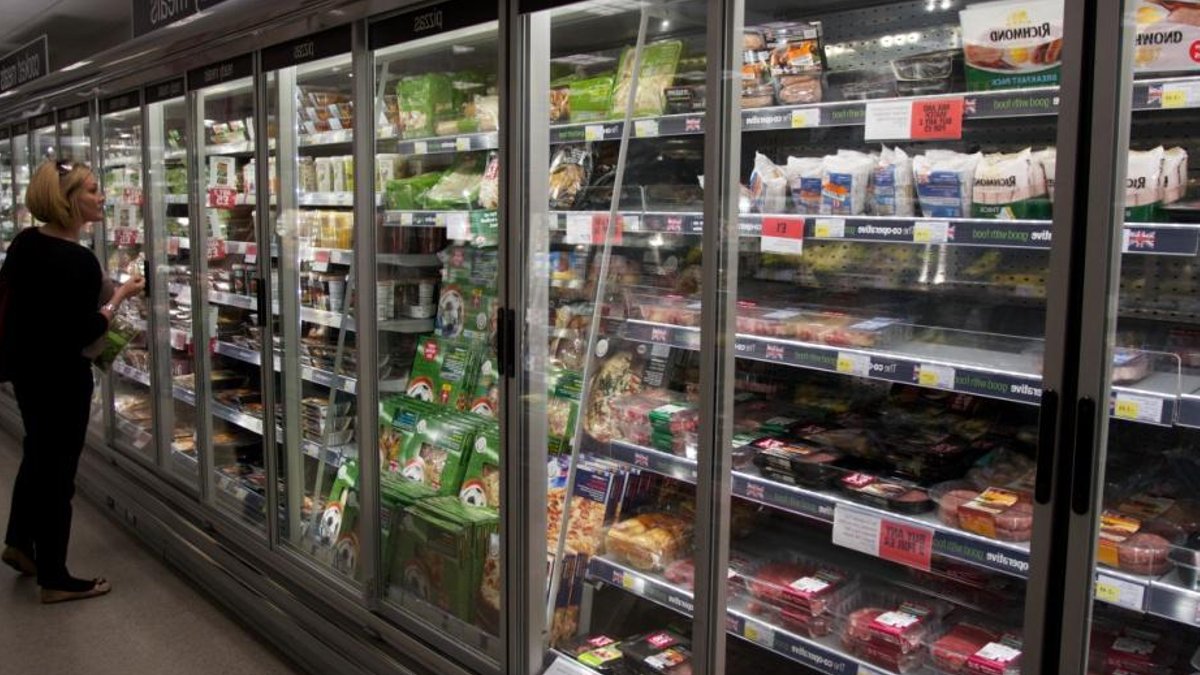
Russia has rejected claims of involvement in a wave of cyberattacks that crippled supermarket refrigeration networks across Europe, leaving retailers with massive food losses. Hackers gained remote access to temperature controls in fridges and freezers, sending some units soaring to 55°C and forcing stores to remove millions of pounds of perishable items from shelves.
The disruptions struck retailers in Belgium, Sweden, Ireland, France, and the United Kingdom, with major chains including Carrefour, Delhaize, Coop, ICA, and SuperValu confirming outages. In Ireland, 13 SuperValu locations had to clear chilled and frozen sections until systems stabilized. While three British meat suppliers were hit, with no reported stock losses, the incidents highlight escalating threats to interconnected supermarket equipment.
Moscow’s official spokesman, Dmitry Peskov, dismissed the accusations as baseless, stating no evidence connects Russia to the attacks. The denial follows public claims of responsibility from two pro-Russian hacking collectives, NoName057(16) and Z-Pentest Alliance, whose Telegram posts were later removed. Cybersecurity analysts warn that these assertions lack verification, and law enforcement agencies have yet to pinpoint the attackers.
The attacks exploited weaknesses in internet-linked refrigeration controllers, enabling unauthorized temperature adjustments. This follows a nearly identical disruption in France last month, when refrigeration systems at hundreds of supermarkets were compromised, resulting in significant food losses. The pattern shows growing vulnerabilities in industrial refrigeration networks, especially as retailers increasingly rely on connected technology for energy efficiency and real-time monitoring.
US cybersecurity agencies have issued advisories about persistent risks to these systems, recommending businesses install software patches, limit public internet exposure to control systems, and strengthen cyber defenses. Though Russia maintains its innocence, investigations into the attacks remain open without a definitive attribution.
European retailers affected by the outages are now reviewing their cybersecurity protocols, with some accelerating plans to isolate refrigeration systems from broader network access. Industry observers note that while physical refrigeration units themselves are rarely hacked, the software managing them presents a critical weak point.


