
As the retailer faces heightened expectations and growing scrutiny, has its greatest marketing achievement also become its biggest challenge?
After 20 years of matching moving or joyous visuals with exclusive tracks from hitmakers, appearances from celebrities and a liberal dollop of glitter, it’s transformed into a cultural event, a national talking point and an almost impossible act to follow.
A two-decade legacy
Since the 2007 film Shadows, the retailer’s holiday pieces have combined emotive storytelling with exclusive tracks, celebrity cameos and glossy production values.
For the creative teams responsible, that presents a remarkable challenge: how do you preserve everything that made the formula successful without appearing predictable, and how do you introduce something new without abandoning what audiences have come to love?
In 2023, Saatchi & Saatchi answered that challenge with Gloria and Pickles, a three-minute story that leans toward humour and lightness while keeping the familiar narrative arc.
Mixed reactions to Gloria and Pickles
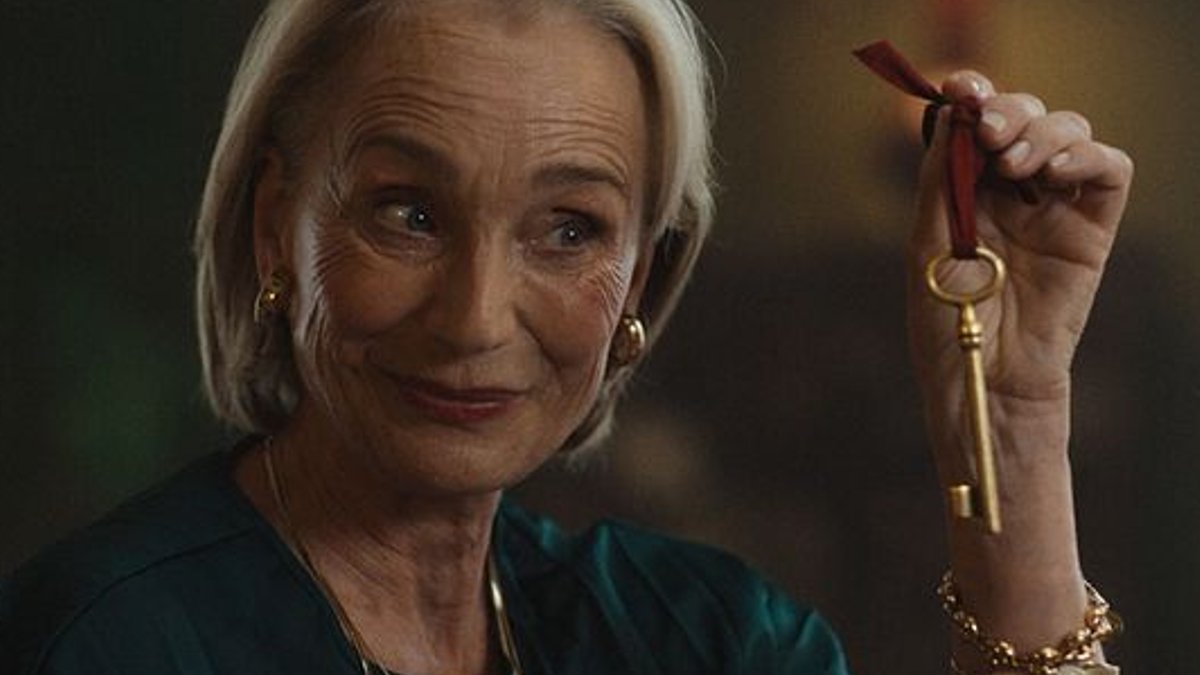
The film follows a glamorous grandmother, played by Dame Kristin Scott Thomas, who enlists a talking wooden dog voiced by Paul Whitehouse to find the perfect gifts. The adventure culminates in a disco-styled “gran cave” where the family gathers.
Sam Fender provides a cover of The Rolling Stones’ You Can’t Always Get What You Want, joined by children from his former school and the Easington Colliery Band. The campaign’s message, “Don’t give up on giving”, encourages consumers to rediscover the pleasure of choosing something thoughtful. It’s a recognisable human dilemma, delivered through the kind of lavish production John Lewis has made its signature.
Early data shows the response is split. An analysis by William Hill Vegas using media intelligence platform Meltwater examined more than 34,000 online posts after the November 3 launch. 50 percent of those were classified as negative, versus 19.7 percent positive and 30.3 percent neutral. Negative commentary outnumbered positive reactions by more than two to one.
Critics pointed to the portrayal of the grandchildren as “spoiled” and questioned the opulent setting amid a cost-of-living crunch. The Independent reported criticism of the advert’s luxurious setting, with some commentators arguing that it feels disconnected from the financial pressures facing ordinary families.
Industry observers offered a more tempered view. Kantar praised the humour, soundtrack and Scott Thomas’s performance, but noted the film lacks the emotional impact of previous John Lewis campaigns.
Commercial considerations
John Lewis has allocated a larger budget to this year’s spot, reflecting both rising production costs and the desire to make its 20th campaign particularly special. The Guardian noted the higher spend was aimed at making the milestone campaign especially memorable.
And after 20 years, that may be the hardest standard of all to maintain.


