
Causee, a new not-for-profit online marketplace, is set to launch this autumn, with education charity Pepala announced as its founding charity partner. The UK-based marketplace will initially focus on second-hand fashion, enabling people to buy and sell pre-owned items, while also giving small businesses and crafters a platform to sell their products.
Every transaction on Causee will support good causes, as the platform uses buyer protection fees to cover its costs, with all remaining surplus profits donated to charity. Buyers and sellers are not asked to make an additional donation or opt into a charitable contribution, as social impact is built into the marketplace model itself.
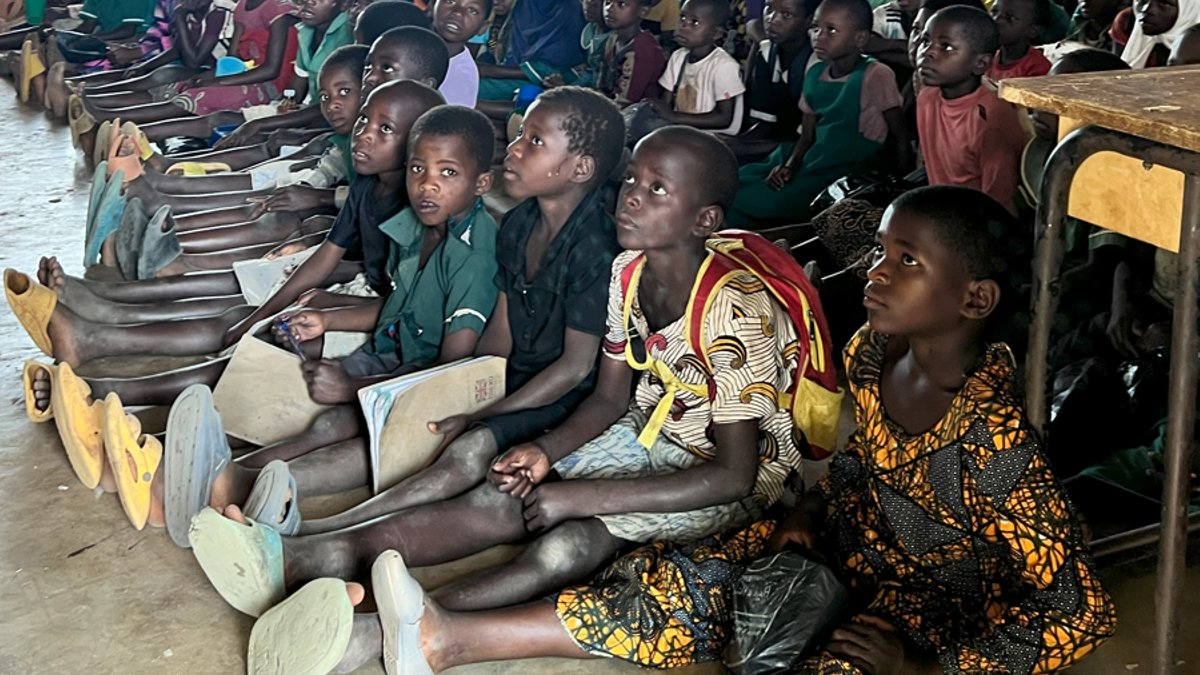
Pepala will be the first charity to benefit from the model, receiving a share of Causee’s annual surplus profits to support its work providing educational supplies to children in Malawi. The partnership marks the first of a number of charitable collaborations planned as Causee grows, with the platform also set to expand beyond its initial focus on second-hand fashion into additional product categories in the future.
Causee’s launch comes as consumer demand for more meaningful forms of sustainable shopping continues to grow. Three in five Britons now say sustainability is important when shopping for fashion, while 60% favour sustainable brands, up from 42% in 2020. This shift in consumer behaviour is driven by a desire for authentic purpose, with businesses needing to build social impact into their business models rather than rely on traditional CSR campaigns.
Related: British chocolate bar made in Reading again
Among Gen Z consumers specifically – a generation with spending power expected to exceed $12 trillion by 2030 – almost two-thirds say they are more likely to buy from brands that can demonstrate sustainable and ethical practices. Tanweer Khan, Founder and CEO of Causee, comments: “The growing economic impact of Gen Z – a generation raised in the shadow of the climate crisis – has made CSR initiatives standard practice for retailers. But for me, retail is changing. Consumers are increasingly looking beyond this and asking whether a company’s values are reflected in the way it actually operates.”
Causee is built around the concept that social impact should be part of the business model itself, allowing surplus profits to directly support charities like Pepala rather than shareholders. As Causee grows, it will be interesting to see how this model impacts the way people shop and think about sustainability, particularly in the context of sustainable shopping.
Pepala will be the first charity to benefit from Causee’s model, receiving a share of Causee’s annual surplus profits to support its work providing educational supplies to children in Malawi.
For more information, visit causee.com.


