
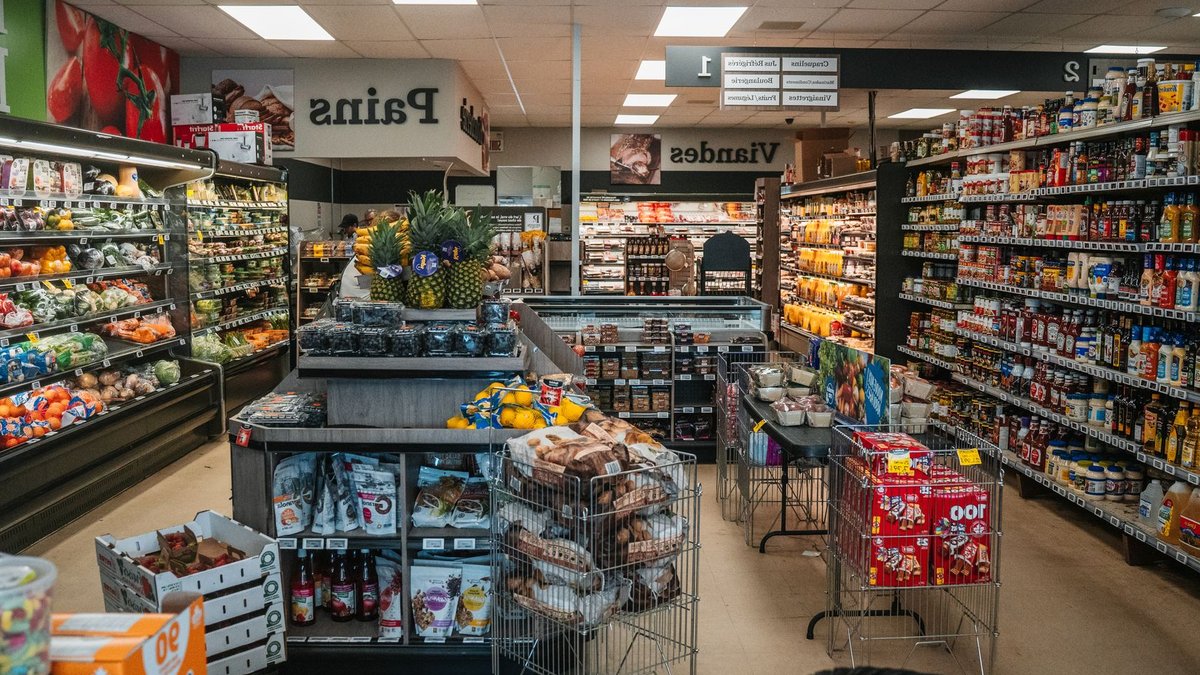
Marks & Spencer used its November 10 capital markets day to restate a goal of doubling food sales over time while aiming for profit growth that outpaces overall revenue.
Growth targets and recent performance
The retailer is targeting annual sales expansion in the mid-to-high single-digit range for the medium term, with food remaining the core driver. Since the 2021/22 fiscal year, the food division has lifted annual sales by more than 50 percent and is seeking further market-share gains while maintaining an operating margin near five percent.
Management said continued investment in the customer offer and operating model will underpin growth, boost productivity and keep costs in check. A structural-savings programme is on track to deliver £600 million by the 2027/28 financial year.
In the first half of the current fiscal year, food sales rose 13.9 percent to £5.2 billion. Volume increased 11.9 percent and adjusted operating profit reached £288.6 million, delivering a margin of 5.6 percent.
Over the past two years the company added roughly 1.5 million food shoppers, focusing on families that allocate a larger share of their weekly grocery spend to the brand.
Chief executive Stuart Machin commented, “Our Food business is ahead, delivering double-digit volume growth in a flat market.”
Online grocery contributed to the momentum, with sales through Ocado Retail climbing 22.8 percent and accounting for 30.9 percent of the average basket.
Supply-chain upgrades
To support its ambition of becoming a primary destination for the weekly shop, M&S is investing heavily in distribution capacity. Construction began in May on a £340 million automated grocery distribution centre in Northamptonshire. The 1.3 million-square-foot facility, slated to open in 2029, will serve more than 200 food stores.
The new hub will feature pallet cranes, high-speed shuttles and hands-free picking, while revised delivery and replenishment processes aim to free store staff for customer service.
Across its grocery network, M&S has rolled out forecasting and replenishment technology from RELEX, covering 1,050 stores and 13 distribution centres in the UK and Ireland. The system draws on sales history, weather patterns, promotions and pricing to predict demand, especially for fresh and chilled items.
Broader group outlook
While grocery performance is strong, other divisions remain uneven. Fashion, home and beauty profits have not yet returned to pre-cyber-attack levels, even though sales have rebounded. Adjusted pre-tax profit more than doubled year on year to £403.2 million, but those segments continue to face availability constraints and higher fulfilment costs.
Alongside its growth targets, M&S announced plans to double the full-year dividend for 2026/27 to 8.4 pence per share, up from 4.2 pence. The company said preserving a robust balance sheet and an investment-grade credit rating remains a priority as it balances capital spending with increased returns to shareholders.


