
Aldi captured the largest share of creator voice about the World Cup among UK retailers, according to a recent analysis.
Study finds Aldi leads with 34% of creator mentions
The social‑media agency Billion Dollar Boy examined posts from more than 200,000 creators, each with at least 10,000 followers, across the United Kingdom. The research covered the period from 11 June to 19 July, the opening and closing days of the tournament, and identified any content that named a retail brand alongside World Cup‑related keywords.
In that sample, Aldi held 34 % of the “share of creator voice,” edging out eBay, which held 31 %. Boots, Marks & Spencer and Tesco rounded out the top five, taking the remaining 30 % of the conversation. Together, the five brands accounted for more than 95 % of retailer‑related World Cup content on the platforms examined.
How Aldi achieved its lead
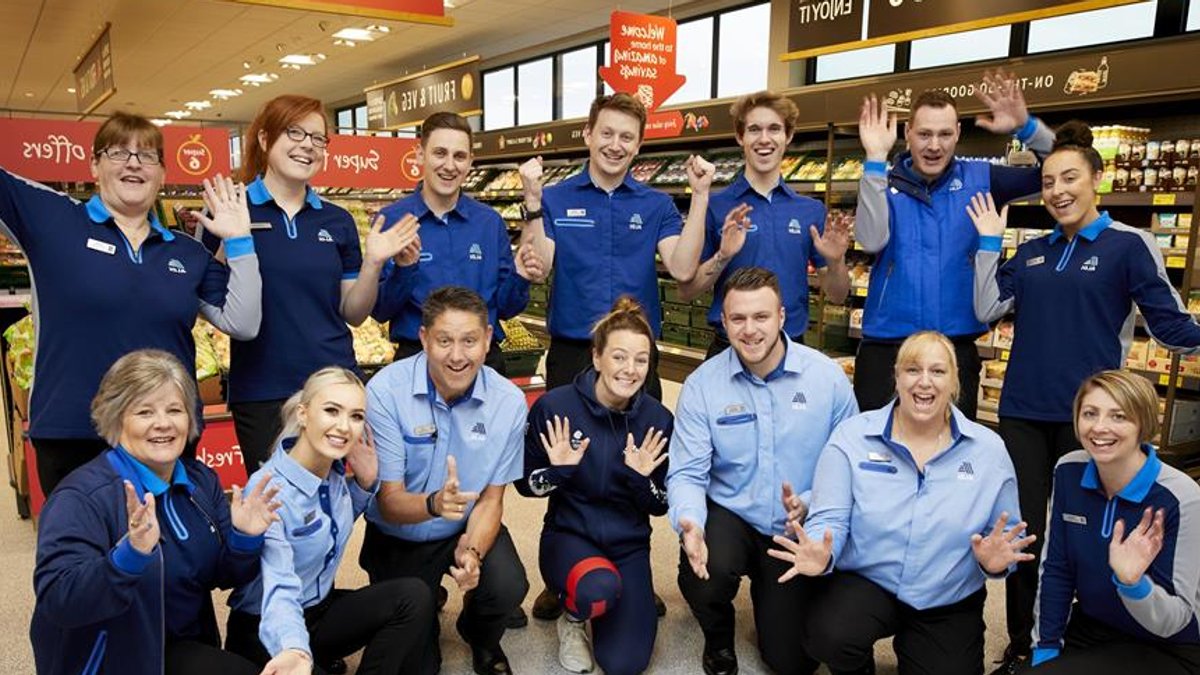
Aldi combined sponsored lifestyle posts with employee‑generated material. Food influencers were paid to attend matches and share match‑day footage, often featuring recipes that tied into the tournament’s national themes. In parallel, store staff posted reviews of “best‑value match‑day deals” and suggested party‑food alternatives for fans watching at home.
Related: Top picks for Blak and Bright 2026
One memorable post featured the hashtag line “@aldiuk na na na na hey food! #WorldCup #JudeBellingham #ChickenNuggets #AldiTikTok #AldiUK,” set to a popular sound clip. The mix of humor and product focus resonated with viewers, driving shares and comments.
eBay’s strategy differed, focusing on football nostalgia. The retailer organized Panini sticker swaps and live‑streamed memorabilia auctions, attracting engagement from collectors and long‑time fans. Boots leveraged its beauty and personal‑care portfolio, inserting “match‑day styling” and “pitch‑side cosmetic integrations” into the conversation. Marks & Spencer enlisted former England striker Ian Wright, alongside current squad members, to produce fashion‑focused content. Tesco emphasized a “home‑turf fan experience,” with influencers creating budget‑friendly watch‑party spreads.
Piet Southey, the agency’s US managing director, said the data proves how non‑official retail partners can successfully hijack the tournament narrative. He noted that creators provide immediate relevance, peer‑to‑peer trust, and cultural speed, qualities that traditional advertising often lacks.
Because the 2026 tournament will have no official retail sponsors, brands have more leeway to craft campaigns without the constraints of exclusive licensing agreements. This freedom appears to have benefitted agile retailers that can quickly align with creators already embedded in consumer feeds.
The gap between Aldi and eBay is modest—just three percentage points—but the distribution of the remaining share shows a steep drop‑off after the top two. Boots, M&S and Tesco together accounted for less than a third of the total creator voice, indicating that a small group of brands dominate the conversation.
Related: Top jewellers for engagement rings in Australia and NZ
Comparing this to previous major sporting events, the pattern is familiar: retailers that rely on in‑store signage and TV spots often see lower digital engagement than those that tap directly into creator networks. The World Cup, with its global fan base, amplifies that effect, turning social platforms into the primary arena for brand interaction.
The study counted any post that mentioned a retailer alongside World Cup terms, but it did not assess sentiment or conversion outcomes. Consequently, the raw share of voice may not fully reflect the impact on sales or brand perception.
Nevertheless, the findings suggest that retailers can achieve significant visibility without paying the premiums associated with official sponsorships. By partnering with creators who already have built‑in audiences, brands like Aldi can insert themselves into the cultural conversation as it unfolds.
Such approaches are reshaping how retailers compete for attention.


