
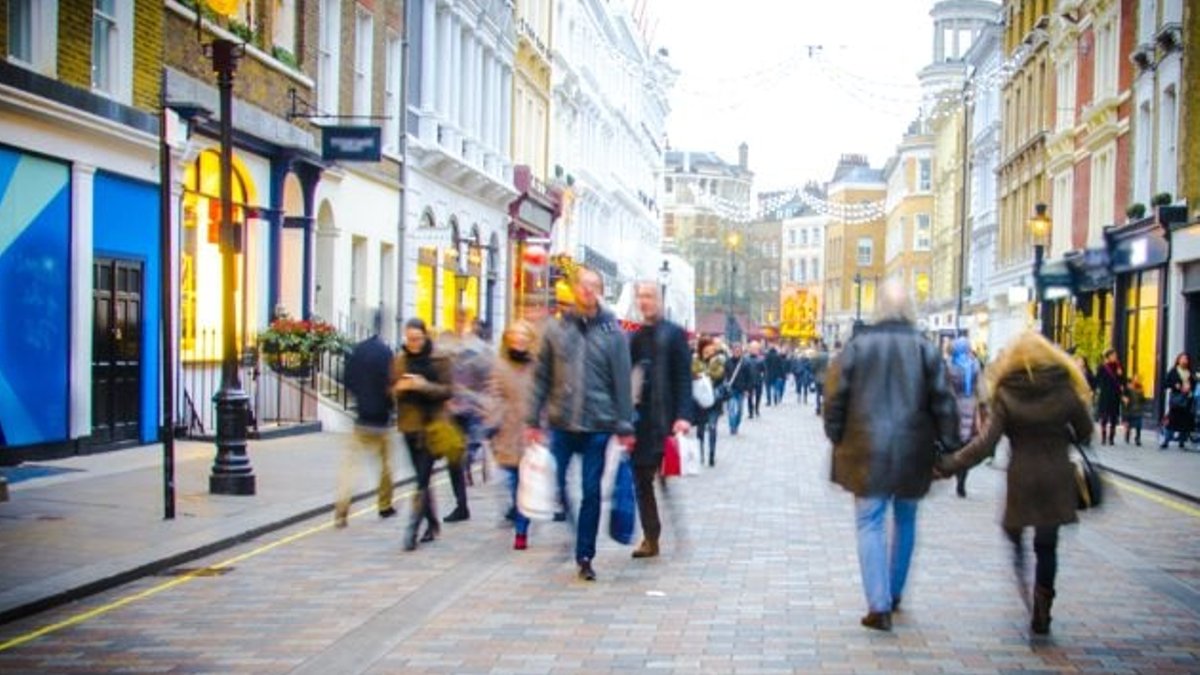
The UK retail sector has faced more than a decade of disruption, including shifting consumer habits, the rise of online shopping, and economic shocks from the pandemic. A December 2025 report from the House of Commons Library indicates the sector contributed £114.7 billion to economic output in 2024, supporting 2.6 million jobs and more than 300,000 businesses. This economic weight means the sector’s survival is a central concern for policymakers and investors.
Government funding reflects this focus. The £150 million High Streets Strategy fund aims to support smaller retailers like cafés and salons, recognizing that these entities are vital to town and neighborhood life. For landlords and operators, this renewed attention creates a chance to improve physical retail spaces. Heating, ventilation, and air conditioning systems are one area where upgrades can offer immediate benefits.
Modern equipment for older buildings
Retail property is evolving. Many landlords are rethinking existing assets through refurbishment rather than major overhauls. This shift follows stabilizing vacancy rates and strong performance in well-located high streets and retail parks, with prime rents in major cities returning to pre-pandemic levels in some areas. As shops increasingly offer experiences that cannot be replicated online, the indoor environment becomes a key part of that offering.
Independent retailers and service businesses often operate in older buildings where heating and cooling systems have not been updated for years. In these spaces, poor thermal comfort can drive customers away. Shops that are too cold in winter or too warm in summer reduce dwell time and discourage repeat visits. Compact split systems, such as Mitsubishi Electric’s M-Series and Mr Slim ranges, provide targeted heating and cooling in a small footprint, helping smaller shops create a comfortable environment without sacrificing floor space.
Indoor air quality is another growing concern. Mechanical ventilation systems, like the Mitsubishi Electric Lossnay, introduce fresh air while recovering heat from exhaust air. This maintains comfort and cuts energy use, which is critical as operating expenses remain under pressure. For landlords, installing modern heat pumps during refurbishment can improve energy efficiency and support broader decarbonization goals. These electrified solutions align assets with future regulatory requirements.
Another factor driving upgrades is the transition to lower-GWP refrigerants. F-Gas regulations across Europe are tightening, limiting the availability of high-GWP refrigerants. Systems using CO₂ refrigerant with a Global Warming Potential of just 1, such as Mitsubishi Electric’s ECOV units, help future-proof retail premises. These units also offer heat recovery to preheat hot water, adding efficiency for larger stores and supermarkets.
Modern HVAC systems are also designed to minimize disruption. Many solutions can be installed quickly during refurbishment or outside trading hours, allowing businesses to keep operating. This flexibility is valuable for smaller high street premises where space constraints and limited back-of-house areas make traditional plant installations difficult. For building managers, systems like Mitsubishi Electric’s VRF and HVRF solutions allow independent control of temperatures across multiple zones, ensuring comfort for both customers and staff while minimizing energy use across large complexes.
Focus on community and local economies
The conversation about retail increasingly centers on physical spaces and their impact on communities and local economies.
Supporting the next generation of high streets
For landlords and building owners investing in the future of their retail assets, upgrading HVAC systems should therefore be seen not simply as a maintenance task, but as a strategic improvement. Systems such as Mitsubishi Electric’s VRF and HVRF solutions allow building managers to control heating and cooling across multiple zones while maintaining high levels of energy efficiency.


