
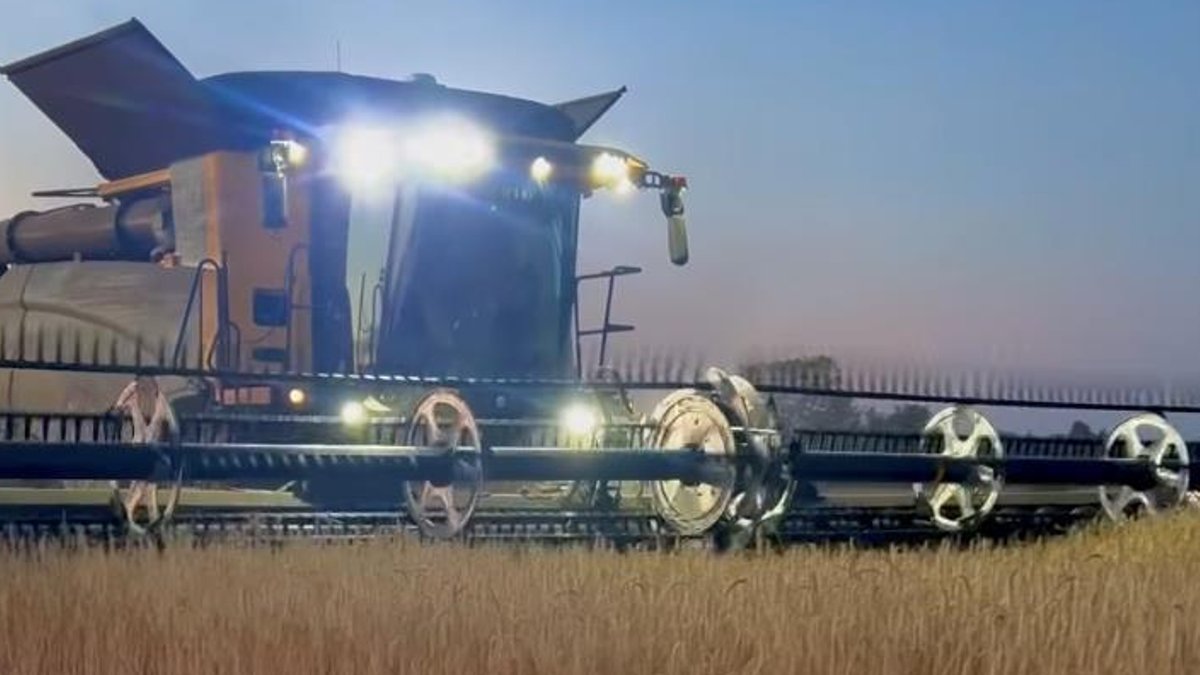
Northern Pasta Co has issued a warning about this year’s grain harvest, calling it an “unprecedented start” due to extreme heat and dry weather. The company said the impact will extend beyond this season’s crop, raising concerns about long-term supply and farm sustainability.
Harvest timeline accelerates, but risks remain
The harvest began on 30 June, nearly two weeks earlier than the typical 12 July start. Farmers expect to finish before August, a timeline the company described as almost unheard of. But the speed hasn’t translated to an advantage for next year’s planting.
Ed Horton, a regenerative farmer supplying Northern Pasta Co, said cover crops need moisture to germinate. “In this heat, there’s no point planting seed that won’t grow,” he said. The dry conditions also increase wildfire risks, particularly with heavy machinery operating in tinder-dry fields. “It’s a concern for us, our neighbors, and the wildlife around us,” Horton added.
Farmers across eastern England have reported yields nearly 50% lower than expected. The harvest is also the driest on record for grain moisture, averaging just 10%-11%—well below the required 14.5% threshold. Oilseed rape has been hit harder, with moisture levels as low as 6%-9%, forcing some farmers to harvest overnight to avoid falling below the minimum 6% mark.
Related: Burnham Boosts Consumer Confidence Ahead of World Cup
For farmers, the dryness isn’t just a logistical challenge. Since they’re paid by weight rather than volume, the lower moisture content is quietly cutting into their margins. “Early signs on protein and Hagberg falling numbers—key markers for flour quality—are strong,” Horton said. “But that doesn’t make up for the lost weight.”
Regenerative farming as a buffer against climate shifts
Northern Pasta Co framed the season as a reminder of why regenerative farming practices matter. The company said resilience built into these methods helps protect future harvests when conditions become unpredictable. But even those measures have limits when temperatures stay high and rain stays scarce.
This year’s harvest isn’t just about the numbers on a spreadsheet. For farmers, it’s a test of how much they can adapt before the land itself starts to resist. The early finish might look like efficiency on paper, but in the fields, it feels more like a warning.
The dry spell has left soil too parched for planting, machinery too risky to run, and margins too thin to ignore. And while the quality of this year’s grain may meet standards, the question of what next year’s harvest will look like remains unanswered.


